
Menu
Body position and sleep: why how you lie down matters as much as how long
A guide to sleep posture, mattress support and pillow fit, explaining which positions are friendliest to the spine and offering a quick self-check for your bedroom setup
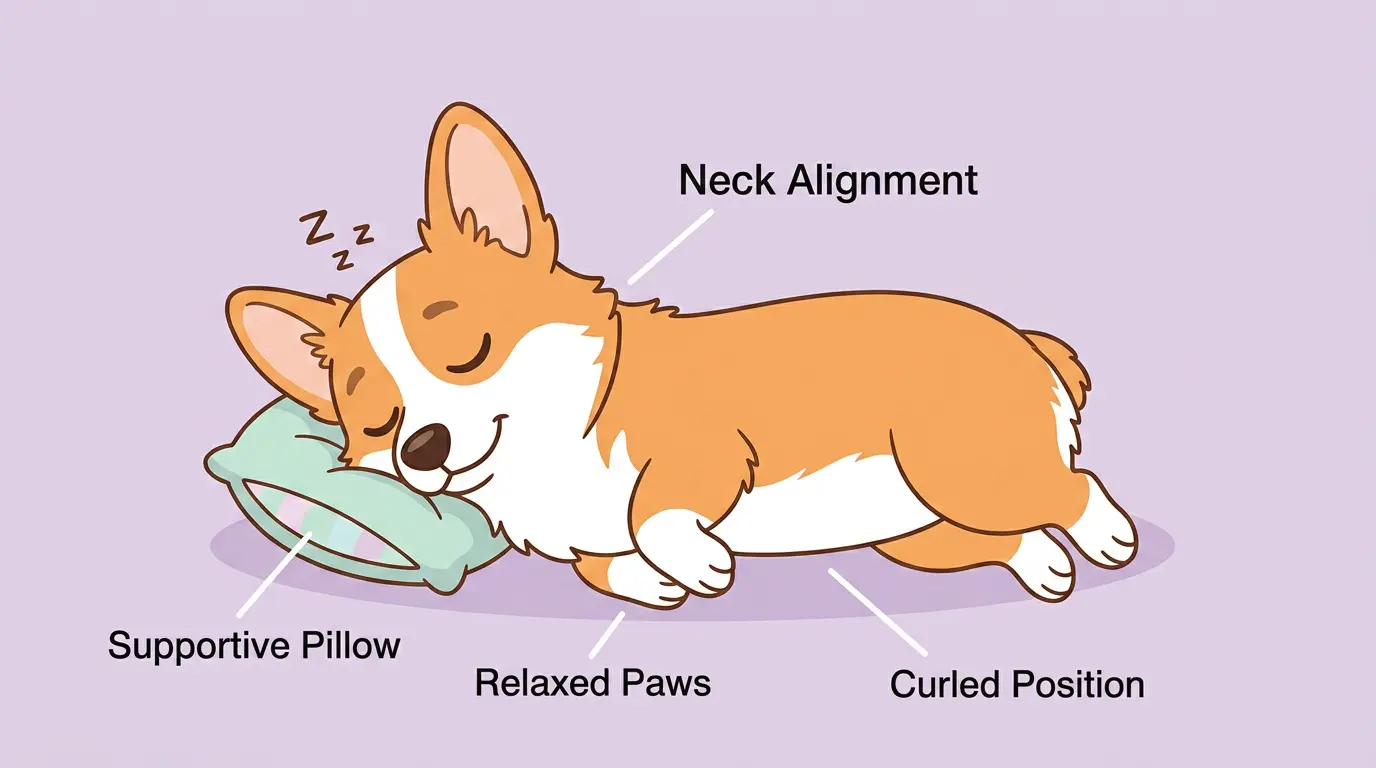
You can have the darkest room and the calmest soundscape in the world, but if your spine spends eight hours twisted into an awkward shape, you'll still wake up stiff, sore, and unrested. Posture and support are the physical foundation everything else in sleep hygiene sits on.
There's no single perfect position that works for everyone, but some options are friendlier to your spine than others. Sleeping on your side or on your back is generally considered more neutral for the back, as long as your body isn't sinking unnaturally and your spine keeps its natural alignment. Stomach sleeping tends to be discouraged more often, since it typically puts extra strain on the spine and neck.
Clinical research tends to emphasize environmental and behavioral factors — like mental relaxation and light exposure — as measurable drivers of sleep quality even more than mattress choice, which is a fairly personal preference. Still, your sleep surface sets the stage:
Posture advice is general by nature — anyone with an existing back condition, injury, or other medical issue should lean on guidance from their own doctor rather than a one-size-fits-all checklist.
Good sleep posture isn't about finding one "correct" way to lie down — it's about keeping your spine in a neutral, supported line, night after night, on a surface that actually holds you the way you need it to.
We have already discussed what affects our sleep in our previous articles. Now off to the quick checklist!
Before your next bedtime, run through this list:


