
Menu
Lights out: how light quietly runs your sleep schedule
A look at how light exposure shapes your sleep-wake cycle, backed by research on blue-light therapy with practical steps for using morning light and managing evening screens.
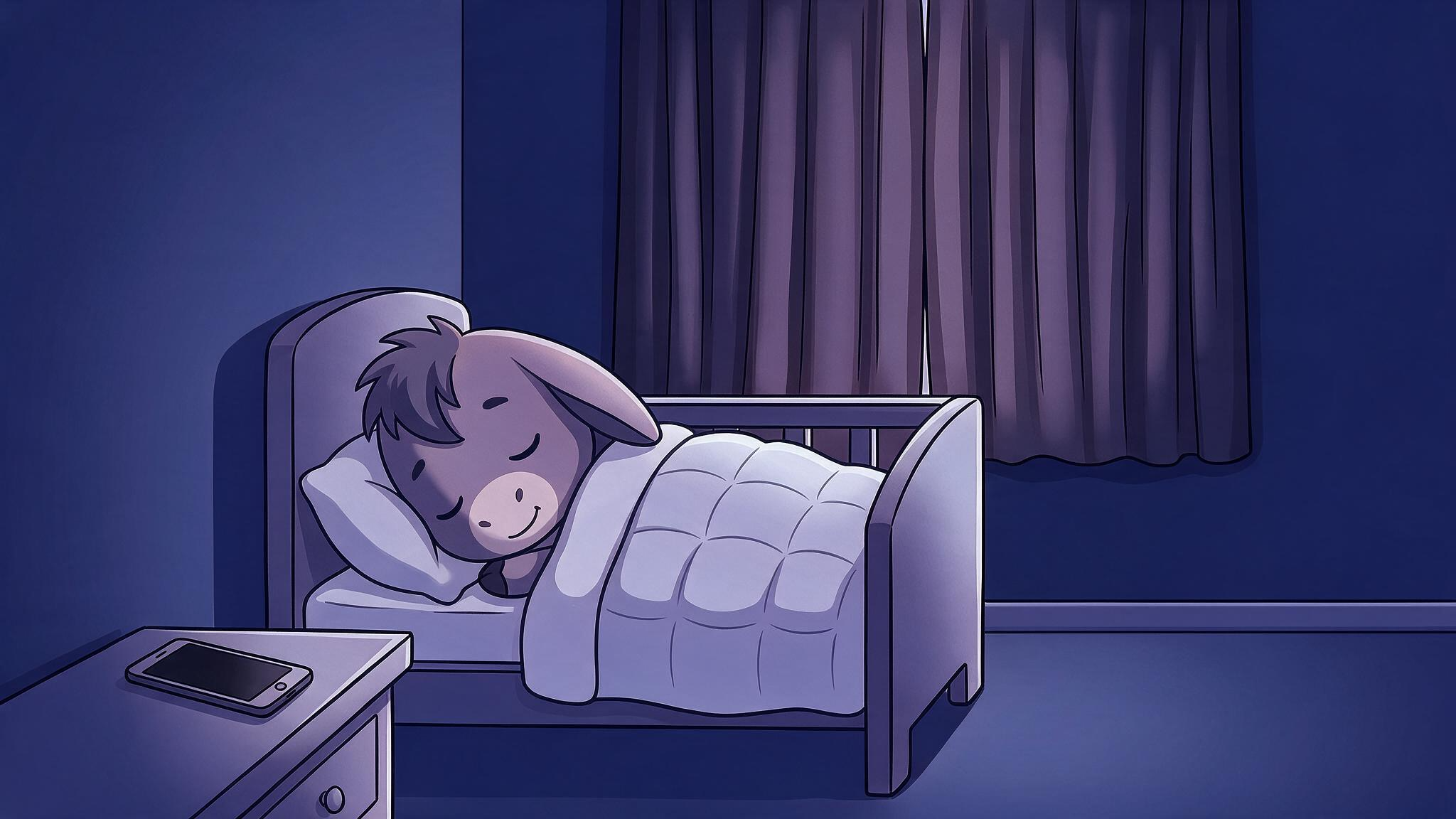
Your body has been running on a light-based clock since long before alarm clocks, phones, or blue screens existed. Every photon that hits your eyes sends a signal to your internal timekeeper, telling it whether it's "daytime, stay alert" or "nighttime, wind down." The problem? Modern life is a 24-hour buffet of artificial light and that clock is getting confused.
Light is one of the most powerful cues your biological clock responds to — more powerful than caffeine, more powerful than habit. Research on light-based therapy backs this up: a systematic review of adults dealing with insomnia found that morning exposure to blue light led to modest but real improvements in sleep quality, including falling asleep faster and sleeping more efficiently through the night.
The catch is timing. That same blue wavelength that helps you in the morning becomes a problem at night, when screens, overhead lighting, and streetlamps leak through curtains and tell your brain it's still midday — right when you're trying to fall asleep.
You don't need a lab-grade light box to benefit from this research. A few realistic adjustments:
You can't out-willpower your biology, but you can work with it. Morning light says "start the day." Evening darkness says "let go of it." Give your body clear signals, and it's far more likely to cooperate when it's actually time to sleep.
NB: Think of light management as one solid piece of a larger sleep-hygiene puzzle — not a magic fix on its own. If your sleep struggles persist despite consistent light habits, it's worth bringing it up with a doctor rather than pushing through alone.
Resources: Effectiveness of morning blue light therapy on sleep and daytime symptoms in adults with primary and comorbid insomnia: A systematic review and meta-analysis. https://pubmed.ncbi.nlm.nih.gov/42263407


